
The WAVES
Women Accepted for
Volunteer Emergency Service
The Women Accepted for Volunteer Emergency Service (WAVES) were a revolutionary force in military history, marking the first time women were formally integrated into the U.S. Navy beyond nursing roles. Established in 1942, the WAVES overcame significant opposition and societal challenges to contribute to the war effort in unprecedented ways.
This page explores the formation, experiences, and legacy of these remarkable women.
Formation and Opposition
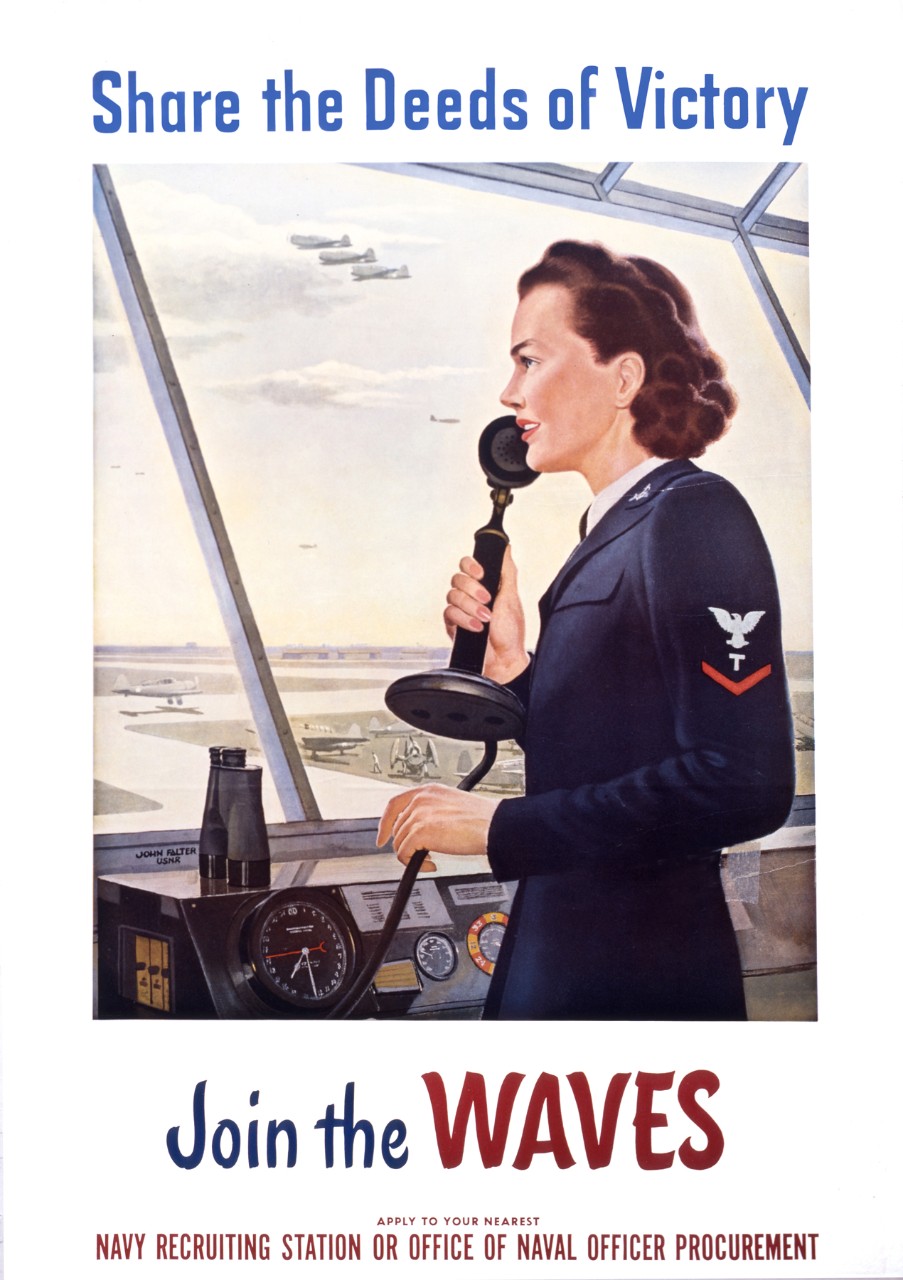
The WAVES were officially established on July 30, 1942, with the signing of Public Law 689 by President Franklin D. Roosevelt. Their creation was spearheaded by influential figures like First Lady Eleanor Roosevelt and Congresswoman Edith Nourse Rogers, who argued that women’s inclusion in the Navy was essential to maintaining operations as male sailors were deployed overseas. Learn more about the WAVES‘ formation here.
The initiative faced resistance from military leadership and the public. Many questioned whether women could handle the physical and mental demands of naval service or adapt to the strict discipline required. Concerns about maintaining traditional gender roles and fears of impropriety in mixed-gender workplaces further fueled skepticism.
Despite opposition, necessity prevailed. The Navy’s decision to limit the WAVES to non-combat roles and station them only on U.S. soil eased public concerns. By demonstrating their competence and professionalism, the WAVES gradually earned respect and became a cornerstone of the war effort. Read about societal attitudes toward WAVES here.
By the program’s conclusion, the WAVES numbered over 90,000, contributing to nearly every facet of naval operations. The WAVES made up about 2.5 percent of the Navy’s total strength during World War II, choosing to leave civilian life and take up the structure, routine, and duties of naval service. Learn more here.
Recruitment and Training
Recruitment Efforts
Eligibility for the WAVES program was highly selective. For officer candidate school, women were required to be between the ages of 20-40, possess a college degree, or have two years of college and two years of other professional experience. The Navy particularly sought those with backgrounds in fields like mathematics, science, and engineering. For eligibility into the volunteer program, women needed to be between the ages of 20 and 35, possess a high school or business diploma, or have other equivalent experience.
The Navy launched extensive campaigns to recruit women, using posters, radio broadcasts, and newspaper ads. One iconic poster featured a confident WAVE in uniform with the slogan: “It’s a Woman’s War Too!” These campaigns appealed to women’s patriotism and desire to contribute to the war effort while emphasizing professionalism and respectability.

Training
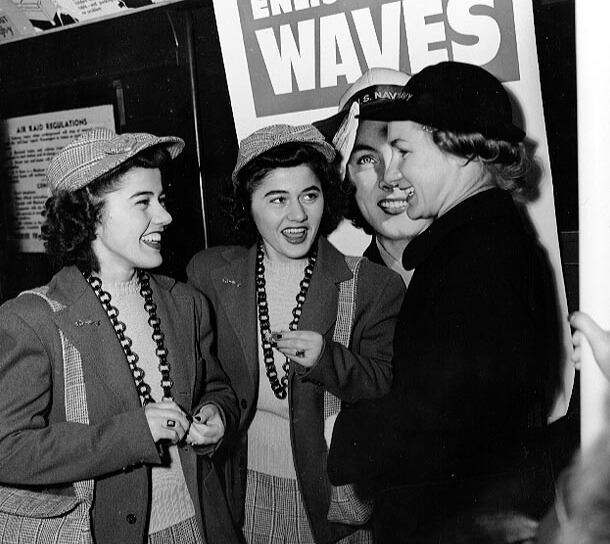
Training for enlisted WAVES took place at Hunter College in New York City, while officer candidates trained at Smith College in Northampton, Massachusetts. Hunter College became known as “USS Hunter,” reflecting the military rigor imposed on its civilian campus. Courses covered naval protocols, technical skills, and leadership development. Women learned everything from coding and communications to aircraft maintenance and navigation.
Training emphasized discipline and preparedness, with instructors holding recruits to the same high standards as their male counterparts. By graduation, the WAVES were fully equipped to take on roles that had been considered the exclusive domain of men.
Uniforms: A Symbol of Service
The uniforms of the Women Accepted for Volunteer Emergency Service (WAVES) were more than just clothing—they symbolized professionalism, respectability, and the groundbreaking role of women in the U.S. Navy. Designed by the acclaimed fashion designer Mainbocher, the uniforms balanced practicality with femininity, helping to shape public perception of the WAVES and their contributions during World War II.
Design and Purpose
Mainbocher, renowned for his haute couture creations, was selected to design the WAVES uniforms to ensure they conveyed both authority and femininity. The uniforms were made from durable fabrics to withstand the demands of military life while maintaining a clean, crisp appearance. The practicality of the design allowed WAVES to perform their duties efficiently without compromising their professional image.
The Navy capitalized on the uniform’s appeal by highlighting its fashionable design in recruitment materials. One recruiter even described her duties as walking around downtown areas in her uniform and engaging with people who inquired about it. The uniform’s design was so well-regarded that, in 1943, women in uniform, including the WAVES, were named among Vogue’s “Best Dressed Women in the World Today.”

WAVES Deployment to Dayton, Ohio
In 1943, a group of approximately 600 WAVES was deployed to Dayton, Ohio, to support one of the most critical and secretive missions of the war: the development and operation of the Bombe machines. These advanced devices, created in collaboration with the National Cash Register (NCR) Company, were designed to decode encrypted German communications, providing vital intelligence for Allied forces. The WAVES played a central role in this effort, stationed at NCR’s Sugar Camp facility.
Sugar Camp: A Unique Deployment
Sugar Camp, originally a training facility for NCR salesmen, was transformed into a secure site for the WAVES. Nestled on the outskirts of Oakwood, Ohio, the facility offered an unusual blend of rustic and operational elements. The camp featured 60 cabins, initially intended to house four individuals each, but during the WAVES’ deployment, these cabins often held more due to the high number of recruits.
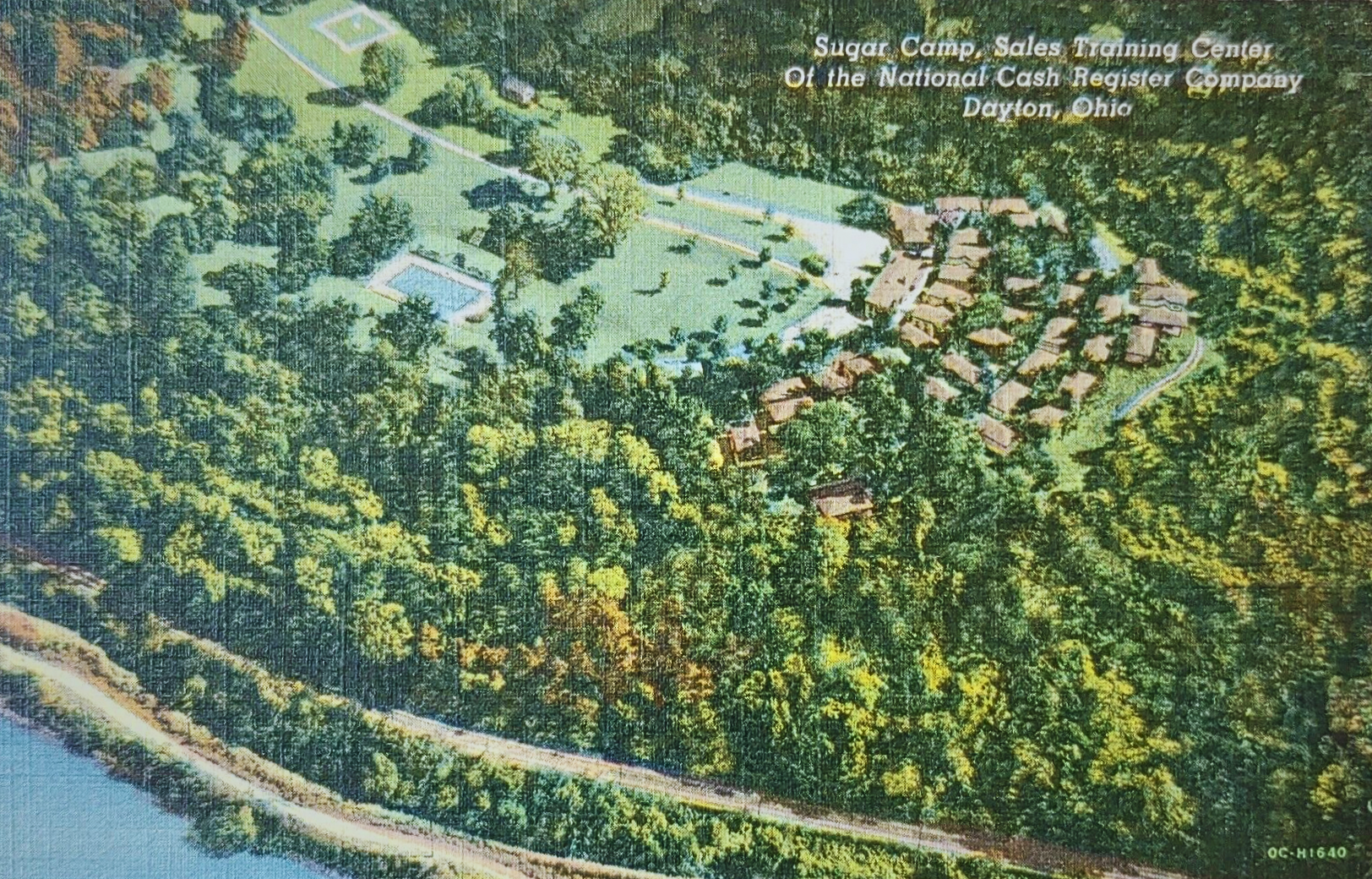
The camp provided a self-contained environment with amenities that included:
- Dining Facilities: A central dining hall catered to the WAVES, ensuring they were well-fed during their intense shifts.
- Recreational Areas: A swimming pool, baseball diamond, and a recreation building provided outlets for relaxation during off-hours.
- Workspaces: Dedicated areas for assembling and maintaining the Bombe machines.
Despite these amenities, the WAVES faced the challenges of adapting to close quarters, long hours, and the high-pressure nature of their work.
Life at Sugar Camp
Life at Sugar Camp was defined by both camaraderie and secrecy. WAVES built strong bonds through shared experiences, whether it was tackling the challenges of their work or enjoying leisure activities like baseball games and trips to local theaters. However, the classified nature of their mission meant that many WAVES could not fully discuss their work, even among themselves.
The unique environment at Sugar Camp fostered a sense of purpose and unity, but it also underscored the gravity of their mission. Each day, the WAVES contributed to a project that would have a profound impact on the war’s outcome.
Secrecy and Oral Histories
For the WAVES, secrecy was a defining aspect of their service. Whether working in cryptography, communications, or technical support, they were sworn to absolute confidentiality about their duties. Many WAVES didn’t know the broader implications of their work, and their assignments were often compartmentalized to maintain security. This secrecy extended well beyond the war; many women never discussed their roles, even with family members, until decades later when details of their contributions were declassified.
Oral histories collected in subsequent years reveal a mix of pride, isolation, and resilience. WAVES recounted the challenges of keeping silent about their achievements, knowing that their efforts were critical but unacknowledged. Despite the lack of immediate recognition, these women found meaning in the camaraderie they built and the sense of purpose that came from their service.
These oral histories provide invaluable insights into the lived experiences of WAVES. They capture personal reflections on the strict secrecy of their work, the cultural shifts they witnessed, and the enduring impact of their contributions on their own lives and society. Today, their stories are preserved in archives like the Veterans History Project and institutions such as the US Naval Institute, ensuring their voices are heard for generations to come.
Declassification and Reunion
The contributions of the WAVES were largely classified until the 1970s, when government documents related to their roles in cryptography and intelligence were finally declassified. This declassification sparked renewed interest in their service and prompted efforts to recognize their achievements.
In 1995, surviving WAVES who worked on the Bombe project in Dayton held their first reunion, an emotional gathering that celebrated their contributions to the war effort. These reunions have since become opportunities to honor the WAVES’ legacy and educate future generations about their trailblazing roles. Learn about WAVES reunions here.